Insights · Buyer guide
How product sampling works when sourcing from India
A guide for international buyers: why a physical sample is approved before bulk production, and how the process works.
- Stage
- Before production
- Reviewed
- Materials, build, size, finish
- Approved by
- The buyer
- Becomes
- The production reference
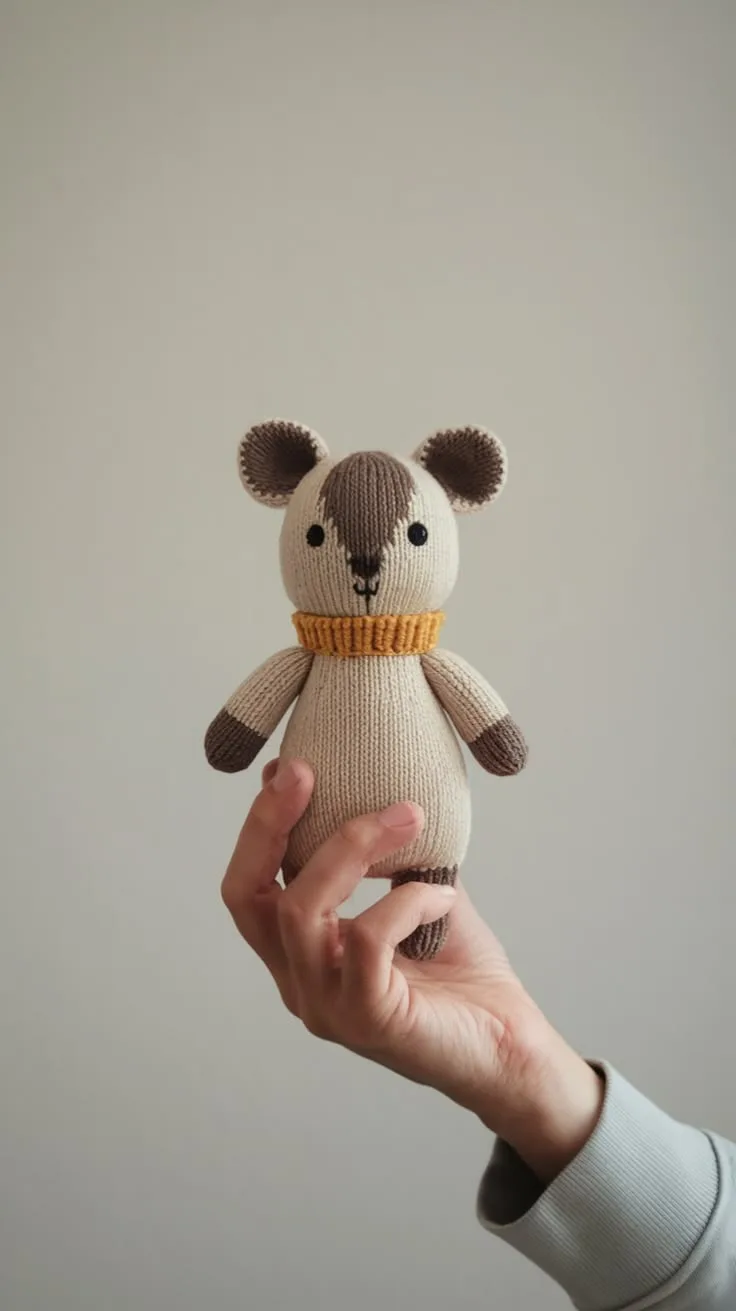
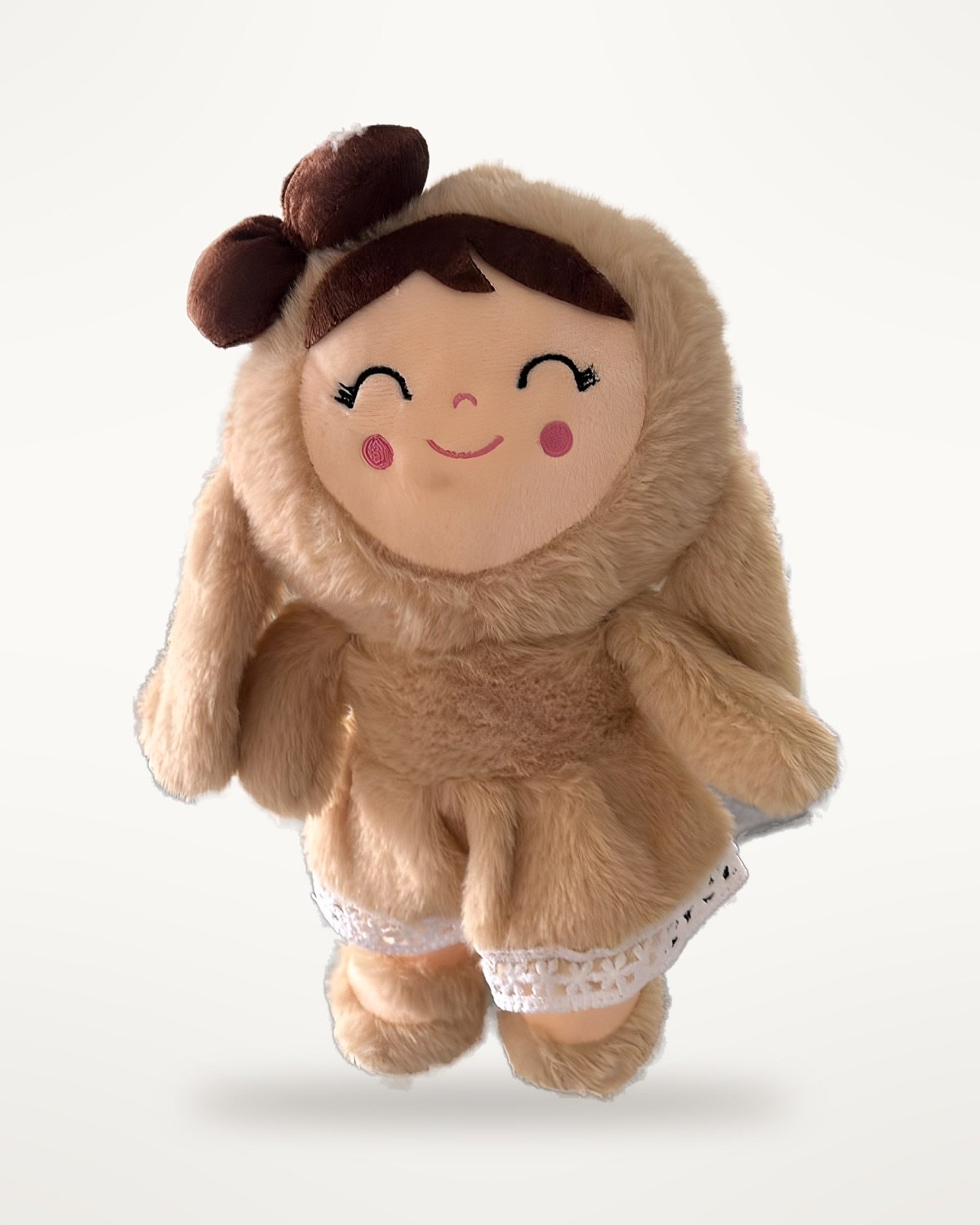
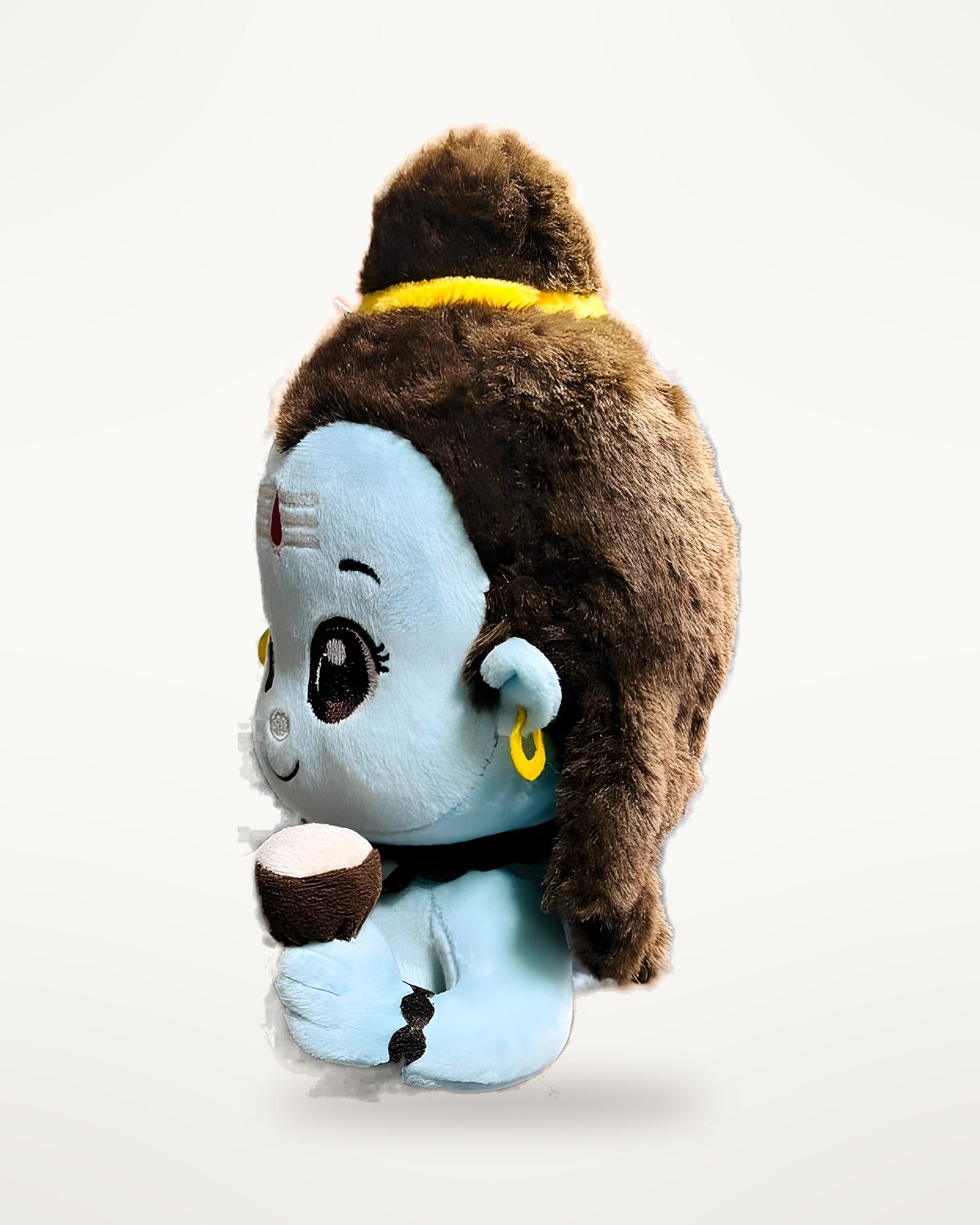
Product sampling, explained
When sourcing products from India, approving a physical sample before bulk production is one of the most important steps in the manufacturing process. A sample helps international buyers evaluate product quality, materials, dimensions, workmanship and overall suitability before committing to a larger order.
Whether you are sourcing plush toys, handcrafted home décor, rugs, heritage-inspired sculptures or private-label products, product sampling helps translate your requirements into a tangible product that can be reviewed and refined.
At Namaste Overseas, we believe that clear specifications and sample approvals are essential to building reliable manufacturing relationships.
The basics
What is product sampling?
Product sampling is the process of creating a physical product sample before proceeding with bulk manufacturing.
The sample is developed using the buyer's design, reference product, technical specifications or agreed product concept. It allows the buyer and manufacturing partner to review the product and identify changes before production begins.
Depending on the product, sampling may involve selecting materials, developing a prototype, testing functionality, adjusting dimensions, confirming colours or refining packaging.
For custom products, the sample becomes an important reference for communicating expectations between the buyer and supplier.
Why it matters
Why is product sampling important?
A product description or photograph may not communicate every detail needed for manufacturing. A physical sample allows buyers to examine aspects that are difficult to assess remotely.
Key benefits include:
- Quality assessment: Review material quality, finishing, stitching, construction and workmanship.
- Specification verification: Check dimensions, weight, colours and other agreed product details.
- Design validation: Confirm whether the sample matches the intended appearance and functionality.
- Early identification of issues: Identify necessary changes before bulk production.
- Better communication: Provide clear, tangible feedback to the manufacturing partner.
- Reduced production risk: Help prevent avoidable mismatches between the approved requirements and finished goods.
Sampling does not eliminate every production risk, but a well-documented approval process can reduce uncertainty.
Step by step: how product sampling works
- 01
Step 1
Share your product brief
The process begins with a clear description of the product you want to source or develop.
Share reference photographs, sketches, design files, measurements, materials, colour preferences, packaging requirements and estimated order quantities.
If you have an existing product sample, photographs from multiple angles and detailed measurements can help communicate your requirements.
For a custom plush toy, for example, the brief may specify fabric type, filling material, height, facial details, stitching, accessories and packaging.
For a decorative sculpture, it may include dimensions, material, surface finish, colour, weight and protective packaging.
The more precise the brief, the easier it becomes to assess feasibility and estimate development costs.
- 02
Step 2
Review materials and manufacturing feasibility
Before developing the sample, the manufacturing partner reviews the requested design and identifies the materials, processes and resources required.
This stage may include checking fabric availability, evaluating mould or tooling requirements, selecting suitable finishes and identifying any production constraints.
For export products, it is also important to identify destination-market compliance requirements early, particularly when sourcing children's toys or other regulated products.
The manufacturer or sourcing partner can then clarify the expected sampling process, indicative costs and estimated timeline.
- 03
Step 3
Develop the initial sample
Once the requirements are sufficiently clear, the first physical sample is developed.
Depending on the product, this may be a basic prototype, a material sample, a functional sample or a more complete representation of the intended finished product.
The first sample is primarily an opportunity to assess the design and identify changes. It may not represent the final production quality or approved specifications in every detail.
For complex or highly customised products, multiple development rounds may be necessary.
- 04
Step 4
Evaluate the sample against your requirements
When the sample is ready, review it systematically rather than relying only on its overall appearance.
A sample evaluation checklist may include:
- Dimensions and weight
- Material type and quality
- Colour and finish
- Construction and workmanship
- Functionality, where applicable
- Accessories and components
- Branding, labels and packaging
- Relevant safety or compliance requirements
For plush toys, review the stitching, fabric, filling, attachment strength, embroidered or other facial details, and applicable toy-safety requirements.
For rugs, check dimensions, colour consistency, material composition, surface finish and construction.
For heritage-inspired sculptures and home décor, assess dimensions, surface detailing, finish, structural integrity and protective packaging.
Document feedback using annotated photographs, measurements and written comments.
- 05
Step 5
Request revisions where necessary
If the sample does not meet the agreed requirements, communicate the changes clearly.
For example, you may need to adjust the fabric softness of a plush toy, revise the dimensions of a decorative object or change the colour and finish of a rug.
Specify what needs to change, what should remain unchanged and which measurements or tolerances must be followed.
Confirm whether the requested revisions will affect sampling charges, tooling costs, production pricing or timelines.
Where possible, consolidate feedback into a single revision document to reduce repeated clarification.
- 06
Step 6
Approve the final pre-production sample
Once the sample meets the agreed requirements, provide written approval before bulk production begins.
The approval should identify the relevant sample version and confirm the final specifications, materials, colours, dimensions, workmanship expectations and packaging details.
Keep a record of the approved sample and associated documentation.
A final pre-production sample can serve as a reference during manufacturing and quality inspection. However, separate testing or certification may still be necessary where required by the product or destination market.
- 07
Step 7
Move to bulk production and quality inspection
After sample approval, the manufacturer can proceed according to the confirmed purchase order, production schedule and agreed quality requirements.
The bulk-production process should include appropriate checks to ensure that the finished goods remain consistent with the approved sample and specifications.
For larger orders, buyers may consider pre-production checks, in-process inspections and final inspection before shipment.
Sample approval should not replace any required product testing, regulatory documentation or independent inspection.
Cost
How much does product sampling cost in India?
There is no single sampling price for every product. Costs depend on the design, materials, production method and level of customisation.
Factors that influence sampling costs include:
- Design complexity
- Number of components
- Material sourcing requirements
- Tooling, moulds or specialised equipment
- Handcrafted detailing
- Number of revisions
- Packaging development
- Prototype quantity
A simple existing product may require relatively little development, while a complex custom product may involve significant design and prototyping work.
When requesting a sample quotation, ask whether the fee covers materials, labour, tooling, revisions, packaging and delivery. Also confirm whether any portion of the development cost can be adjusted against a subsequent bulk order.
Sample fees and production costs should be agreed upon before development begins.
Timing
How long does product sampling take?
Sampling timelines vary according to product complexity, material availability, design revisions and manufacturer capacity.
A product using readily available materials may be sampled faster than one requiring custom moulds, specialised components or extensive handcrafted detailing.
International shipping of samples also adds transit time and potential customs-clearance delays.
To establish a realistic schedule, confirm:
- The time required to review specifications
- Material procurement timelines
- Prototype development duration
- Revision and approval time
- Sample shipping arrangements
- Any required testing or compliance checks
Providing a complete brief at the beginning can help reduce avoidable delays.
Shipping
What international buyers should know about shipping samples
When ordering samples from India, confirm the courier method, delivery address, declared shipment details, shipping cost and expected transit time.
For international shipments, ensure that the commercial invoice and product description accurately reflect the goods. Customs requirements and duties depend on the product, destination and shipment circumstances.
For toys or other products subject to specific regulations, remember that a sample being delivered does not automatically establish that the product complies with the destination market's requirements.
If you are developing products for commercial sale, plan the sampling and compliance process well before your intended launch date.
Watch for
Common product sampling mistakes to avoid
International buyers can improve the sampling process by avoiding these common mistakes:
- Providing incomplete product specifications
- Expecting an exact sample without sharing adequate references
- Giving vague feedback such as “make it better”
- Changing design requirements repeatedly without documenting revisions
- Approving a sample without checking important measurements
- Assuming sample approval automatically confirms regulatory compliance
- Beginning bulk production before final approval
- Failing to establish how quality will be checked during production
Clear communication, documented revisions and written approvals help establish a stronger foundation for manufacturing.
Working with us
Product sampling and custom manufacturing with Namaste Overseas
Namaste Overseas supports international buyers exploring product sourcing and custom manufacturing opportunities in India across plush toys, rugs and carpets, heritage-inspired sculptures, handcrafted home décor and private-label products.
We understand that every product has its own requirements. Our sourcing approach begins with understanding your brief, reviewing the required specifications and coordinating with suitable manufacturing partners to explore the next steps.
Whether you are developing a new product, adapting an existing design or preparing to place a bulk order, we welcome enquiries from importers, wholesalers, retailers and international brands.
Frequently asked questions
Can I request changes after receiving a sample?
Yes, subject to the manufacturer's capabilities and the agreed development terms. Revisions may involve additional charges or time.
Can I receive product samples from India internationally?
International sample shipments can generally be arranged, subject to courier availability, destination-country import rules and the product's shipping requirements.
Does sample approval guarantee bulk production quality?
No. It provides an agreed reference, but bulk production still requires appropriate quality controls and inspections. Applicable product testing and certification must also be addressed separately.
Can sample development costs be adjusted against a bulk order?
Some manufacturers may agree to credit part or all of the sample cost against a confirmed order. This depends on the supplier's commercial terms and should be confirmed in advance.
Ready to develop your product?
Have a design, reference sample or product idea you want to bring to market? Contact Namaste Overseas to discuss your requirements and explore product sampling and manufacturing opportunities in India.
Start your ProjectExporters Of India To The World
Keep reading
Start your Project
Have something in mind?
Send a sketch, a reference, or just the idea.
One team takes it from brief to shipment, at factory rates.
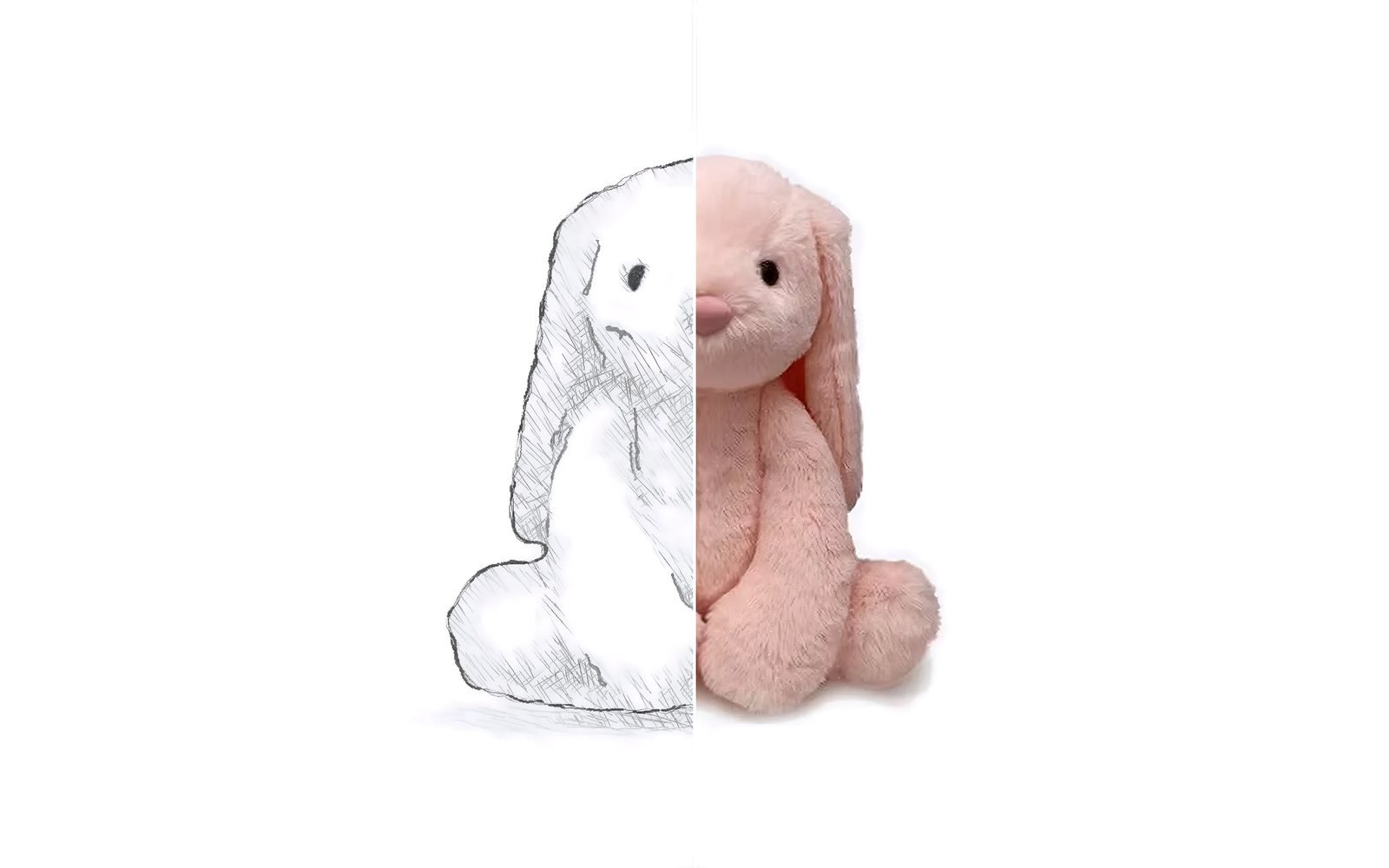 Buyer guideHow to develop a custom product with an India sourcing partnerWhat to send, and when production starts.
 Buyer guideOEM vs ODM vs private labelHow OEM, ODM and private label differ for buyers.
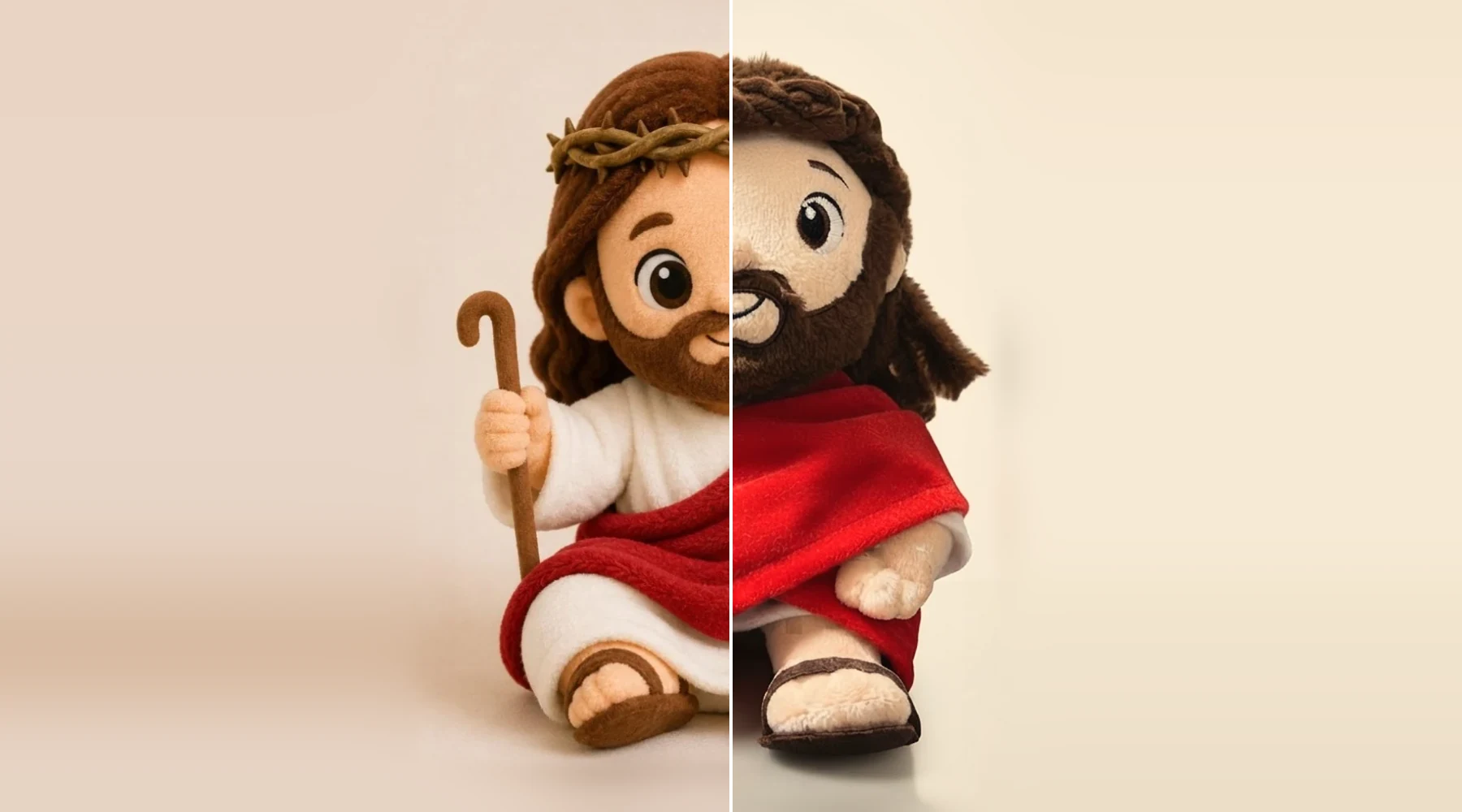 Case studyThe Jesus Christ plush that began with an AI imageAn AI concept turned into a best-selling plush, made within budget.