Insights · Buyer guide
How to develop a custom product with an India sourcing partner
What to send, how sampling works, and when production starts when developing a custom product in India.
- For
- Buyers developing a new product
- Start from
- A sketch, photo, or idea
- Covers
- Brief to shipment
- Pricing
- Quoted per specification
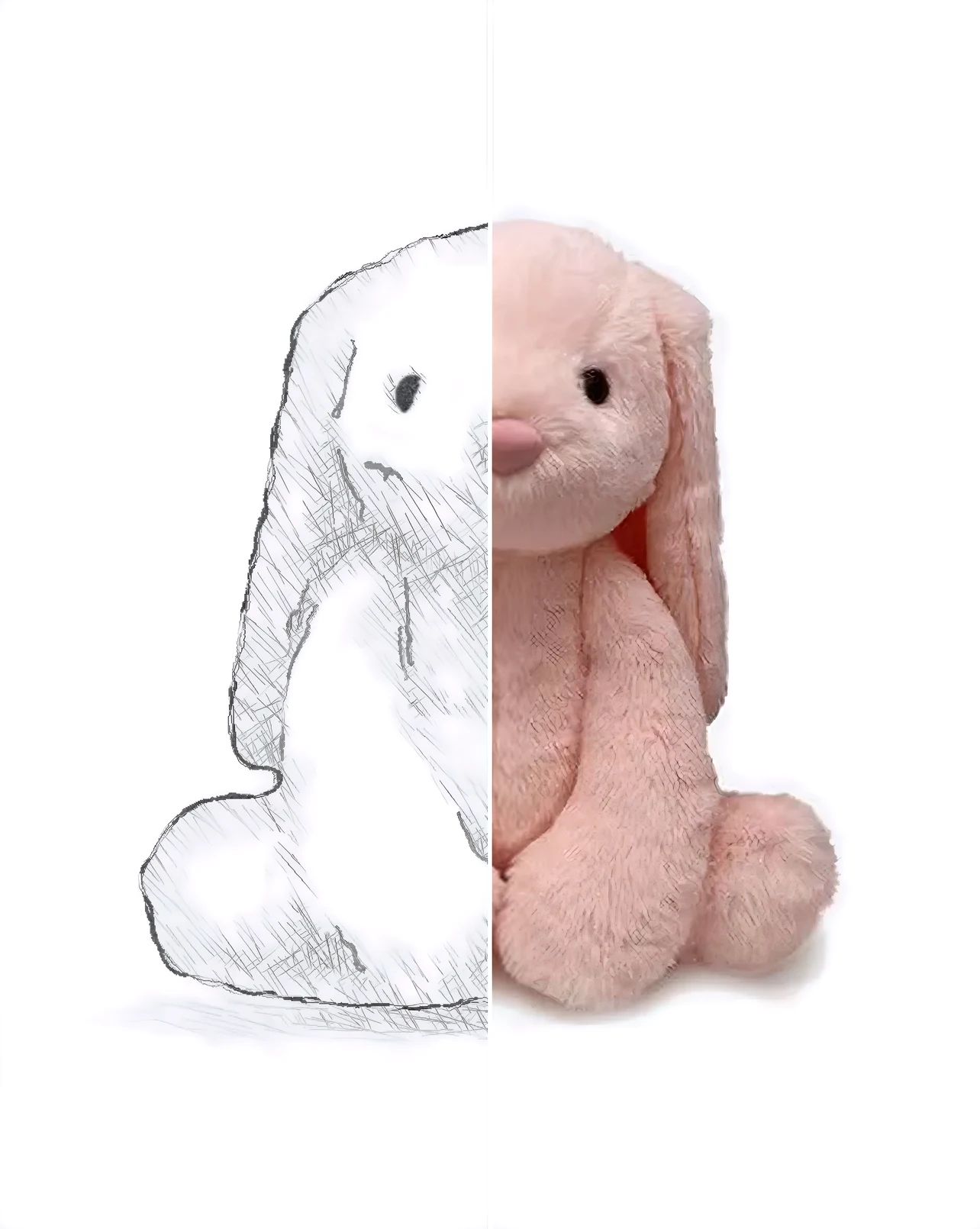
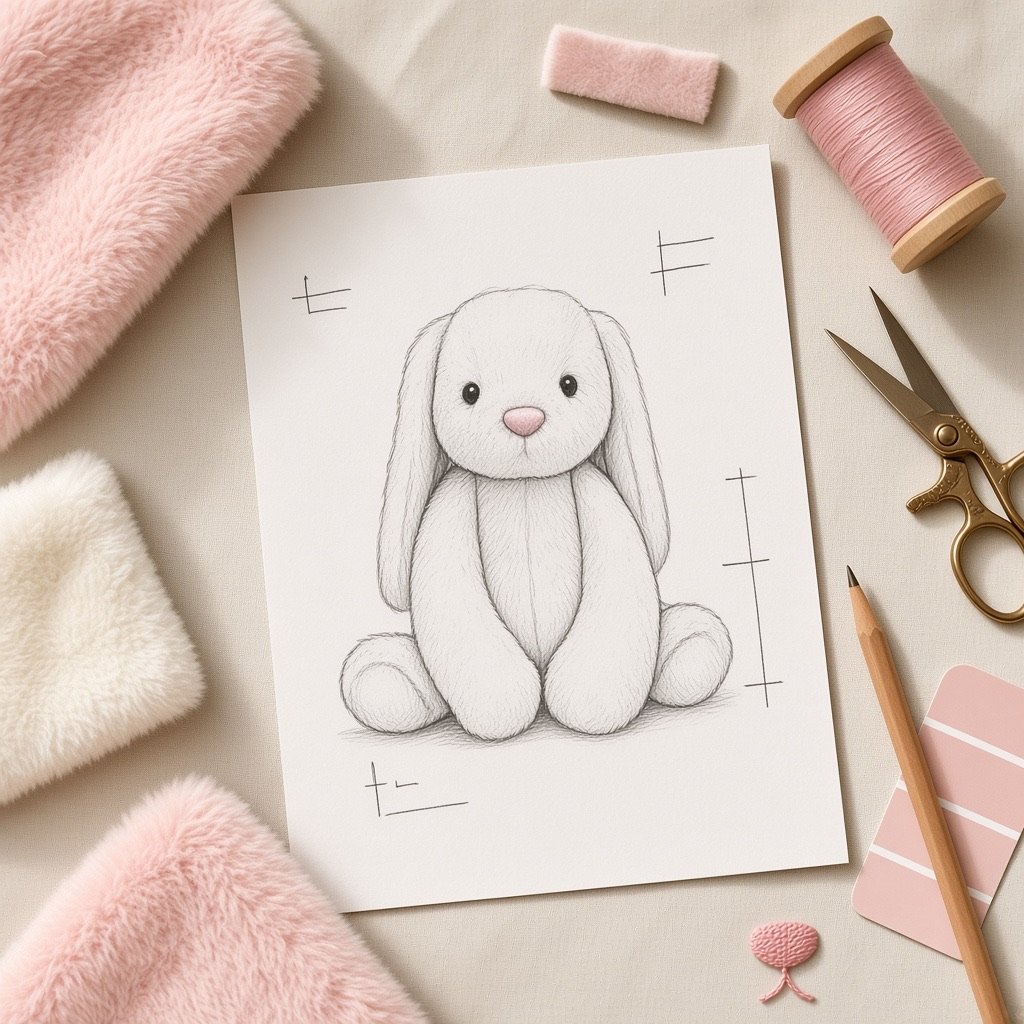
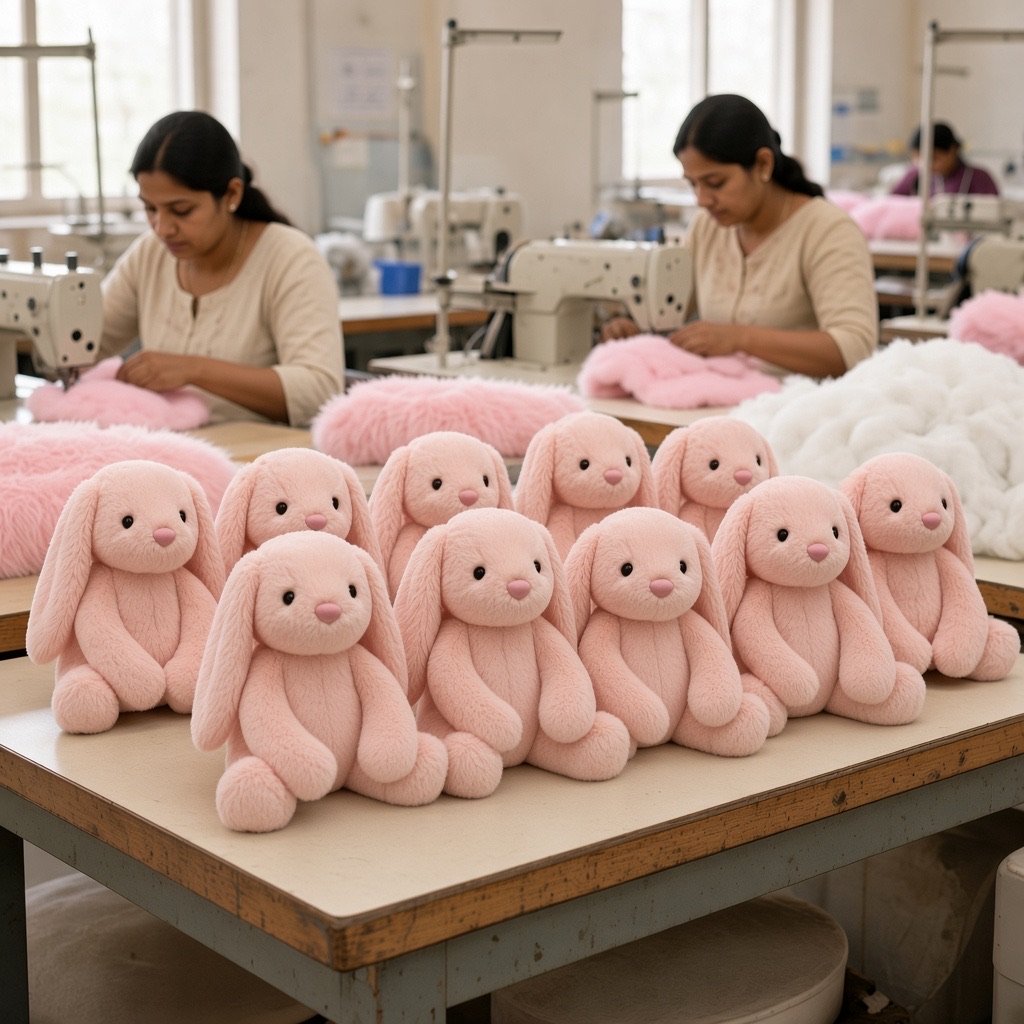
Custom product development, explained
Developing a custom product requires more than finding a manufacturer. From translating an idea into a production-ready design to selecting materials, approving samples and managing manufacturing, every step matters. For international buyers, working with an experienced India sourcing partner can simplify the process of custom product development and help turn concepts into market-ready products.
India offers diverse manufacturing capabilities across plush toys, home décor, rugs, handcrafted products, heritage-inspired sculptures and other consumer goods. With the right sourcing partner, businesses can explore custom manufacturing, OEM production and private-label opportunities while working towards their quality, cost and delivery requirements.
The basics
What is custom product development?
Custom product development is the process of creating a product according to a buyer's specific requirements rather than selecting a ready-made item from an existing catalogue.
A custom product may involve a new design, a different material, a particular size, customised colours, branded packaging or a combination of these elements.
For example, a retailer may want a plush toy in a specific character design, a home décor brand may need sculptures in a particular finish, or a distributor may require rugs manufactured in custom dimensions and colours.
The objective is to develop a product that aligns with the buyer's brand identity, target market and commercial requirements.
Why India
Why source custom products from India?
India has a broad network of manufacturers, artisans and specialised production units serving different product categories. International buyers can explore multiple sourcing opportunities through one market.
Key advantages include:
- Product customisation: Develop products around specific designs, materials, sizes and finishes.
- Manufacturing variety: Source plush toys, textiles, rugs, decorative products and heritage-inspired replicas.
- Private-label opportunities: Create products under your own brand identity.
- Flexible sourcing options: Explore suitable manufacturers based on order quantities, specifications and production capabilities.
- Access to specialised craftsmanship: Work with makers experienced in particular materials, techniques and product categories.
The suitability of a manufacturer depends on the product, order volume, technical requirements, testing needs and export destination.
Six steps from brief to shipment
- 01
Step 1
Define your product requirements
The first step is to create a clear product brief. A detailed brief reduces misunderstandings and helps the sourcing partner assess feasibility.
Include the following information wherever possible:
- Product name and intended use
- Reference images, sketches or design files
- Dimensions, weight and size tolerances
- Preferred materials, colours and finishes
- Branding, logo placement and packaging requirements
- Target market and applicable compliance requirements
- Estimated order quantity and expected reorder frequency
- Target price and required delivery timeline
If you are developing a custom plush toy, for instance, specify the fabric, filling, stitching details, accessories and intended age group. For a decorative sculpture, include dimensions, material, surface finish, colour and packaging expectations.
You do not need every specification finalised at the beginning. A sourcing partner can help identify the information required to move forward.
- 02
Step 2
Find the right manufacturing partner
The lowest quotation does not always represent the best sourcing decision. A suitable manufacturing partner should understand your product requirements, demonstrate relevant production capabilities and communicate clearly throughout development.
When evaluating a supplier, consider:
- Experience manufacturing similar products
- Availability of suitable materials and production processes
- Minimum order quantity (MOQ)
- Sampling and prototyping capabilities
- Quality-control procedures
- Testing and certification requirements
- Packaging and export readiness
- Production capacity and lead times
Ask for relevant product photographs, specification sheets, sample references or other evidence of capability where appropriate.
An India sourcing partner can help coordinate communication, identify suitable production units and clarify expectations before an order is placed.
- 03
Step 3
Develop a prototype or pre-production sample
A physical sample allows the buyer to evaluate the product before committing to bulk manufacturing.
Depending on the product, the first sample may be used to assess dimensions, shape, materials, colours, construction, functionality and overall appearance.
Custom product sampling commonly involves the following stages:
- Review the product brief and reference material.
- Confirm specifications and material availability.
- Develop an initial prototype.
- Review the sample against the agreed requirements.
- Record changes and request revisions if necessary.
- Approve the final pre-production sample.
Sampling costs and timelines vary according to design complexity, materials, tooling and the number of revisions required.
For best results, document all approved changes in writing and retain an approved reference sample where practical.
- 04
Step 4
Confirm pricing, MOQ and production timelines
Once the product specifications and sample are sufficiently clear, request a detailed quotation.
The quotation should ideally clarify:
- Unit price and currency
- Minimum order quantity
- Sample and development charges
- Tooling or mould costs, if applicable
- Packaging and labelling costs
- Required product testing
- Production lead time
- Payment terms
- Inspection arrangements
- Shipping terms and delivery responsibilities
Always clarify whether the quotation is EXW, FOB, CIF or based on another agreed Incoterm. These terms determine how costs, transport responsibilities and risks are allocated.
Compare quotations on the same specification and commercial basis. A lower unit price may exclude packaging, testing, inspection or other costs that affect the final landed cost.
- 05
Step 5
Address quality and compliance before production
Product quality and regulatory compliance should be considered during development, not after manufacturing is complete.
Requirements depend on the product category and destination market. Children's toys, for example, may be subject to specific safety, chemical, mechanical, labelling and documentation requirements. Decorative products may have different material, packaging and import considerations.
Before approving production, confirm:
- Applicable destination-market regulations
- Required testing and documentation
- Material and component specifications
- Labelling and packaging details
- Quality inspection criteria
- Approved sample and acceptable tolerances
For toys, requirements may include applicable EN 71 standards for the European market or ASTM F963 and relevant US requirements, depending on the product and its intended use. Confirm the current rules with a qualified testing or compliance professional.
- 06
Step 6
Approve bulk production and prepare for export
After the pre-production sample, specifications, quotation and compliance requirements have been approved, the order can move towards bulk production.
A structured process typically includes production planning, material checks, in-process quality monitoring, final inspection, packaging verification and export documentation.
Before shipment, ensure that the product quantity, carton dimensions, gross and net weights, shipping marks and required export documents are confirmed.
International shipping arrangements should be planned early, especially for customised products with specific delivery deadlines.
Watch for
Common mistakes to avoid when developing custom products
International buyers can reduce delays and unexpected costs by avoiding a few common mistakes:
- Sharing reference images without written specifications
- Choosing a supplier based only on unit price
- Skipping physical sample approval
- Changing specifications after production begins
- Ignoring product testing and destination-market compliance
- Leaving packaging and shipping requirements until the last minute
- Failing to document agreed quality standards
Clear communication and written approvals make custom product sourcing more predictable.
Working with us
How Namaste Overseas supports custom product sourcing
Namaste Overseas helps international buyers explore sourcing and custom manufacturing opportunities in India across categories including plush toys, rugs and carpets, heritage-inspired sculptures, handcrafted home décor and private-label products.
From understanding your product brief to coordinating with suitable manufacturing partners, our approach focuses on clear communication, specification alignment and practical coordination throughout the sourcing journey.
Whether you are developing a new product, expanding an existing catalogue or exploring an OEM or private-label range, we welcome enquiries from importers, wholesalers, retailers and brands seeking manufacturing partners in India.
Frequently asked questions
What information is required for a custom manufacturing quotation?
Share reference images or designs, dimensions, materials, target quantity, packaging requirements, destination market and target price if available.
How long does custom product development take?
The timeline depends on product complexity, material availability, tooling, sample revisions and supplier capacity. Request a product-specific timeline before proceeding.
Can I develop a private-label product with an Indian manufacturer?
Yes. Depending on the manufacturer's capabilities, private-label development may include customised designs, colours, materials, branding, labels and packaging.
Do I need to order a sample before bulk production?
A pre-production sample is strongly recommended for customised products. It allows you to review the product against agreed specifications before committing to a larger order.
Start your custom product development journey
Have a product idea, reference design or existing product you want to manufacture in India? Share your requirements with Namaste Overseas to explore suitable sourcing and custom manufacturing options.
Start your ProjectExporters Of India To The World
Keep reading
Start your Project
Have something in mind?
Send a sketch, a reference, or just the idea.
One team takes it from brief to shipment, at factory rates.
 Buyer guideOEM vs ODM vs private labelHow OEM, ODM and private label differ for buyers.
 Buyer guideHow product sampling works when sourcing from IndiaWhy buyers approve a physical sample before production.
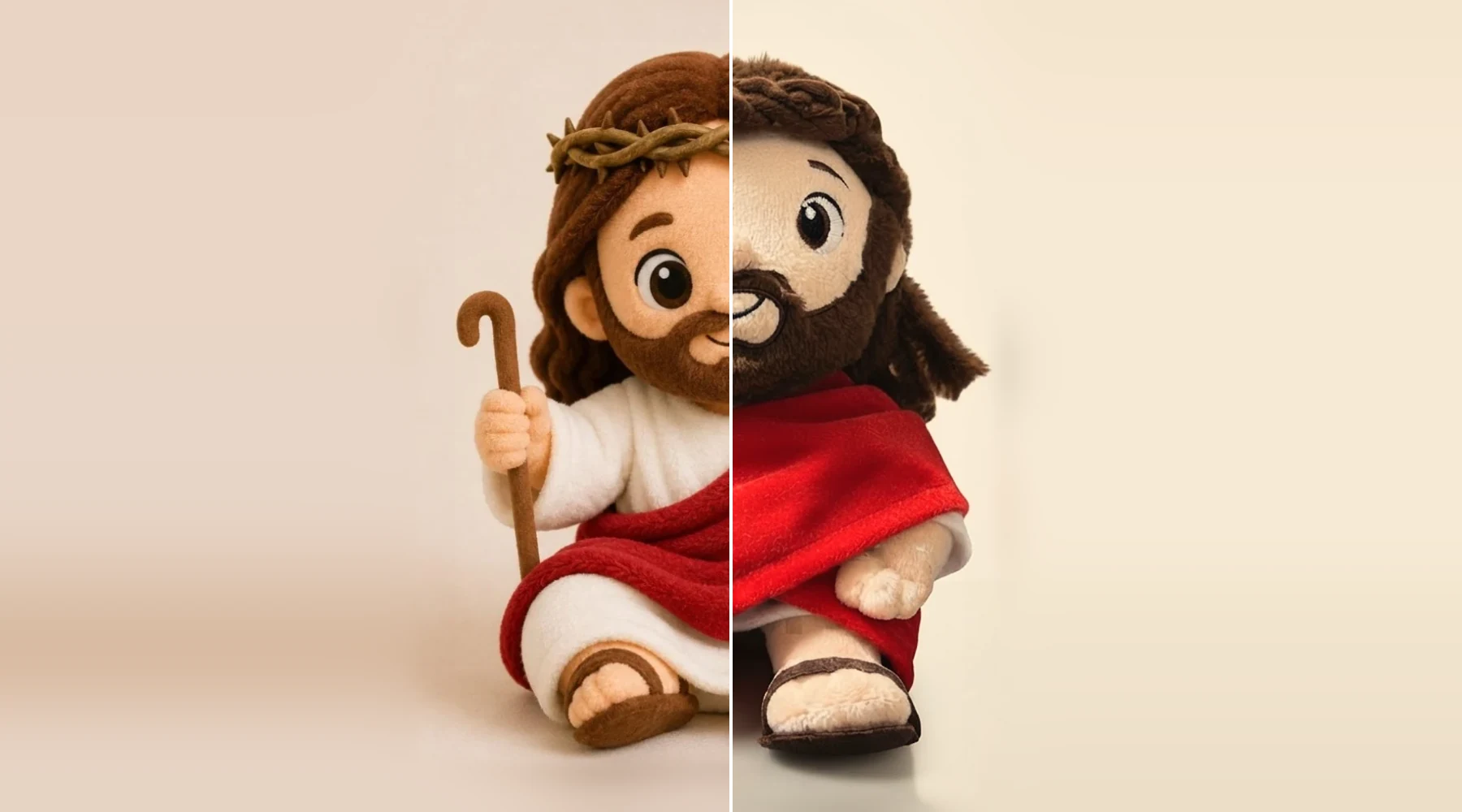 Case studyThe Jesus Christ plush that began with an AI imageAn AI concept turned into a best-selling plush, made within budget.