Insights · Buyer guide
OEM vs ODM vs private label
Which manufacturing model is right for your business? Understanding your manufacturing options in India.
- For
- Buyers choosing a manufacturing model
- Compares
- OEM, ODM and private label
- Key question
- Whose design, whose brand
- Applies to
- Every product category
Your manufacturing options in India, explained
When sourcing products from India, choosing the right manufacturing model is an important business decision. Whether you are launching a new brand, expanding your product catalogue or sourcing products for retail distribution, understanding OEM, ODM and private-label manufacturing can help you make informed decisions.
These models differ in how products are designed, developed, manufactured and branded. The right choice depends on your product idea, customisation requirements, budget, intellectual property arrangements and expected order quantities.
For international buyers, India offers manufacturing and sourcing opportunities across plush toys, rugs, home décor, textiles, heritage-inspired sculptures and other consumer products.
Three manufacturing models
- 01
OEM
What is OEM manufacturing?
OEM stands for Original Equipment Manufacturer. In common sourcing practice, an OEM arrangement involves manufacturing products to a buyer's specifications, design or technical requirements.
The buyer generally provides the product concept or detailed specifications, while the manufacturer produces the goods according to the agreed requirements.
How OEM manufacturing works
- The buyer shares product designs, specifications or technical drawings.
- The manufacturer reviews feasibility, materials and production requirements.
- Samples or prototypes are developed where necessary.
- Both parties agree on price, quantity, quality standards and timelines.
- The manufacturer produces the approved product.
Example of OEM manufacturing
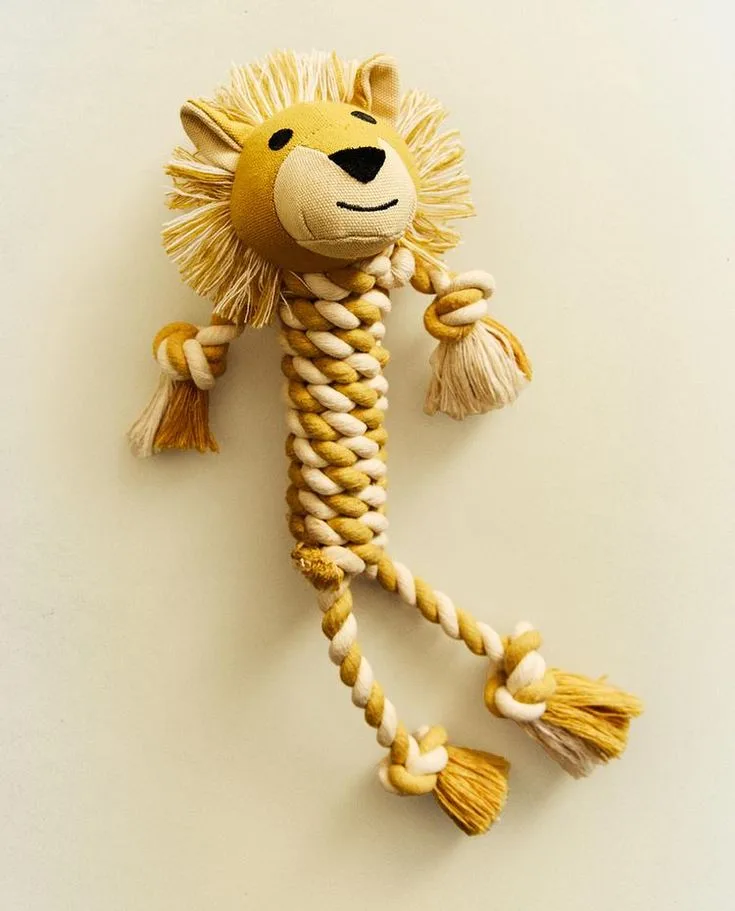
A toy brand wants to launch a plush animal with a unique shape, custom fabric, embroidered facial details and branded packaging. The brand supplies the design and specifications, and the manufacturing partner produces the toy accordingly.
OEM manufacturing is often suitable for businesses that already have a defined product concept and need a manufacturing partner to execute it.
Best suited for: Established brands, product developers, importers with detailed specifications and businesses seeking greater control over product design.
- 02
ODM
What is ODM manufacturing?
ODM stands for Original Design Manufacturer. Under this model, the manufacturer offers an existing design or product-development capability that a buyer can use, sometimes with modifications.
Depending on the agreement, the buyer may customise the colours, dimensions, materials, features or packaging.
How ODM manufacturing works
- The buyer identifies a suitable existing design or product concept.
- The manufacturer presents available designs or development options.
- The buyer selects a product and confirms permissible modifications.
- A sample is reviewed and approved.
- Production proceeds under the agreed specifications and commercial terms.
Example of ODM manufacturing
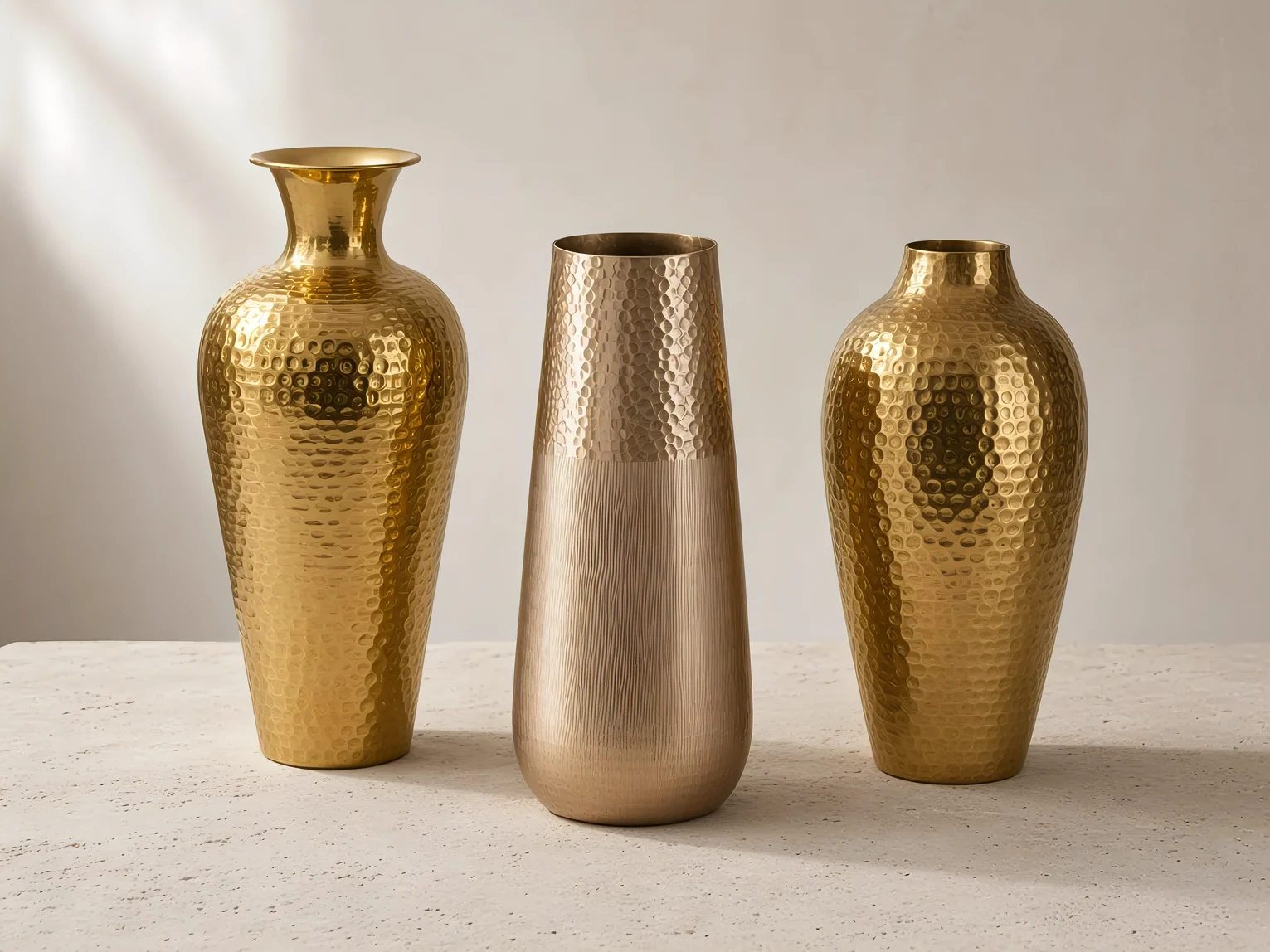
A home décor retailer wants to introduce a collection of decorative vases but does not have its own designs. A manufacturer presents existing shapes and finishes, which the retailer adapts to its preferred colour palette and packaging.
ODM can help businesses develop a product range without creating every design from scratch.
Best suited for: Retailers, wholesalers, startups and brands looking to launch products using existing manufacturing designs or capabilities.
- 03
Private label
What is private-label manufacturing?
Private-label manufacturing allows a business to sell products under its own brand name, often using products manufactured by a third-party supplier.
The underlying product may be an existing design or a customised product. Private labelling describes the branding and commercial arrangement rather than one fixed product-development method.
A private-label product may be manufactured through an OEM or ODM arrangement, depending on how the product is developed.
How private-label manufacturing works
- The buyer selects an existing product or defines a custom product.
- The manufacturer confirms the available branding options.
- The buyer finalises labels, packaging and other brand elements.
- Product specifications, quantities and pricing are approved.
- The products are manufactured and supplied for sale under the buyer's brand, subject to the agreement.
Example of private-label manufacturing
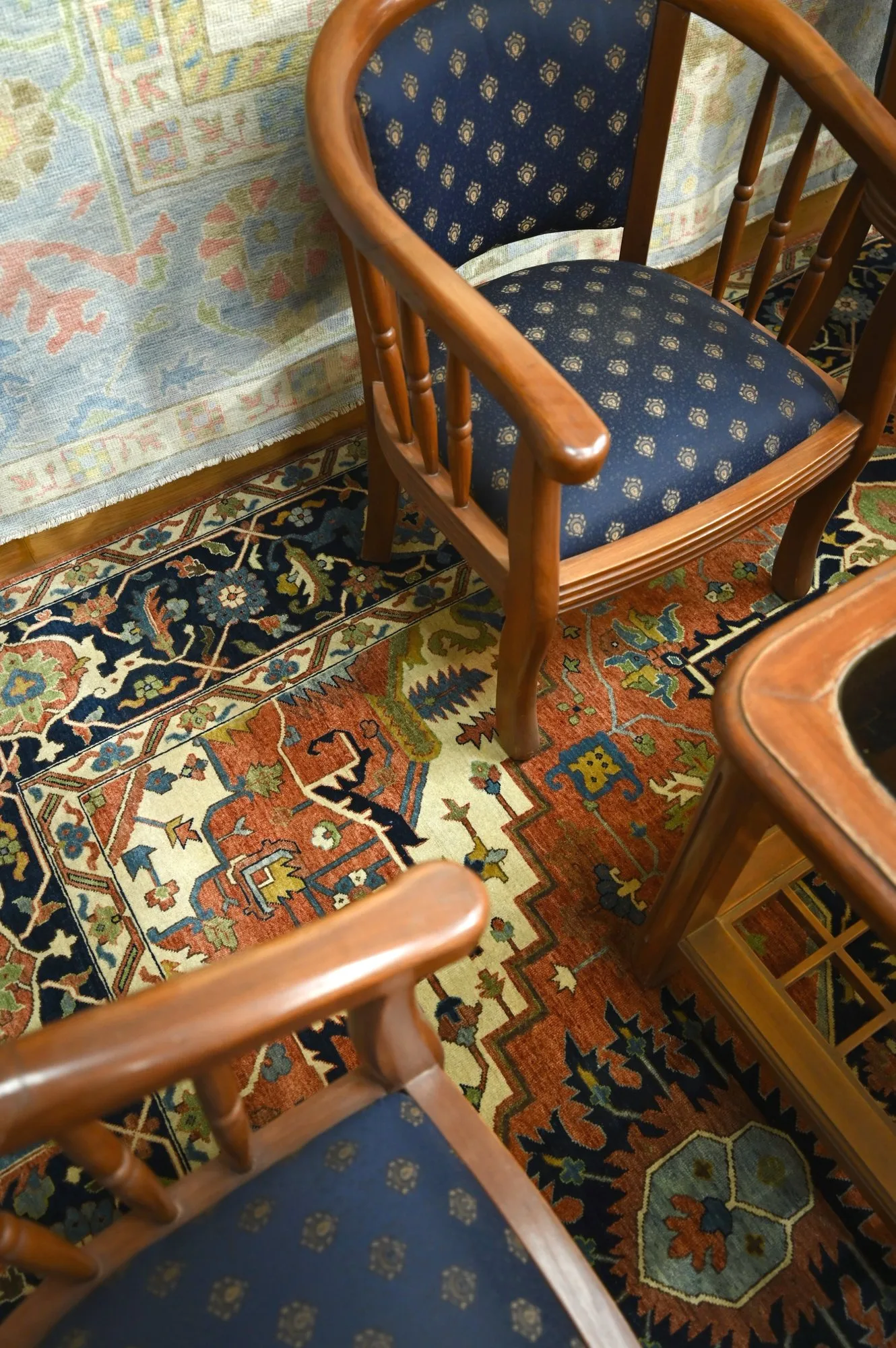
An international retailer sources rugs from an Indian manufacturing partner and sells them under its own home furnishings brand, using customised labels, packaging and a defined product assortment.
Best suited for: Retail brands, e-commerce businesses, wholesalers and distributors seeking to establish or expand their own branded product lines.
OEM vs ODM vs private label: key differences
| Factor | OEM | ODM | Private label |
|---|---|---|---|
| Product design | Buyer-defined or buyer-supplied | Manufacturer-provided design or development | Existing or custom product |
| Customisation | Often extensive | Depends on the design and agreement | Depends on the product and supplier |
| Branding | Agreed with manufacturer | Agreed with manufacturer | Buyer's brand |
| Development effort | Often higher | Can be lower when using existing designs | Varies by product |
| Typical use | Build to defined specifications | Adapt an existing design | Sell products under your own brand |
These terms are used differently across industries and suppliers. Always clarify what the manufacturer means by OEM, ODM or private label before entering an agreement.
Choosing
Which manufacturing model should you choose?
The best model depends on your business objectives.
Choose OEM if you have a defined product design. This model is worth exploring when your product has specific technical requirements, unique features or detailed specifications.
Choose ODM if you want to work from an existing design. It may suit businesses that want to introduce products faster without developing every element from the beginning.
Choose private label if your priority is building your brand. It can work with either existing products or custom-developed products, provided the supplier supports your branding and packaging requirements.
Before deciding, evaluate the minimum order quantity, sample costs, customisation limits, tooling charges, intellectual property rights, quality standards and delivery commitments.
Before you order
What should international buyers check before placing an order?
Regardless of the manufacturing model, confirm the following before production:
- Product specifications: Document materials, dimensions, colours and acceptable tolerances.
- Minimum order quantity: Confirm the MOQ for each design, colour or variation.
- Sampling: Understand prototype costs, revisions and sample approval procedures.
- Branding rights: Agree on logo usage, packaging ownership, design rights and restrictions on selling the same design to other buyers.
- Quality control: Establish inspection criteria and acceptable defect levels.
- Compliance: Identify the regulations, testing and labelling applicable to your destination market.
- Commercial terms: Confirm unit price, payment terms, production lead time and shipping responsibilities.
A written agreement helps ensure that both parties understand the product and their respective responsibilities.
Working with us
OEM, ODM and private-label sourcing with Namaste Overseas
Namaste Overseas works with international buyers exploring product sourcing and custom manufacturing opportunities in India. Our product categories include plush toys, rugs and carpets, heritage-inspired sculptures, handcrafted home décor and customised products.
Depending on the product and manufacturing partner, buyers can explore existing product designs, customised specifications, private-label branding and packaging options.
We encourage buyers to share their target market, product references, estimated quantities and customisation requirements so that suitable sourcing possibilities can be evaluated.
Frequently asked questions
Can private-label products be customised?
Yes, depending on the manufacturer's capabilities and the agreement. Customisation may include materials, colours, dimensions, labels and packaging.
Is private label the same as OEM?
No. OEM generally describes a manufacturing arrangement based on buyer-defined specifications, whereas private label describes selling a product under the buyer's brand.
What is the minimum order quantity for private-label products in India?
MOQ varies by product, materials, manufacturing process, customisation and supplier. Ask for the MOQ for your specific product and branding requirements.
Can I source OEM and private-label products from India for export?
Yes. Indian manufacturers and sourcing partners serve a range of international markets. Product compliance, export documentation, commercial terms and shipping requirements should be confirmed for the destination country.
Find the right manufacturing model for your business
Whether you need a product manufactured to your specifications, want to adapt an existing design or plan to launch a private-label collection, Namaste Overseas can help you explore sourcing opportunities in India. Connect with Namaste Overseas to discuss your product requirements and manufacturing goals.
Start your ProjectExporters Of India To The World
Keep reading
Start your Project
Have something in mind?
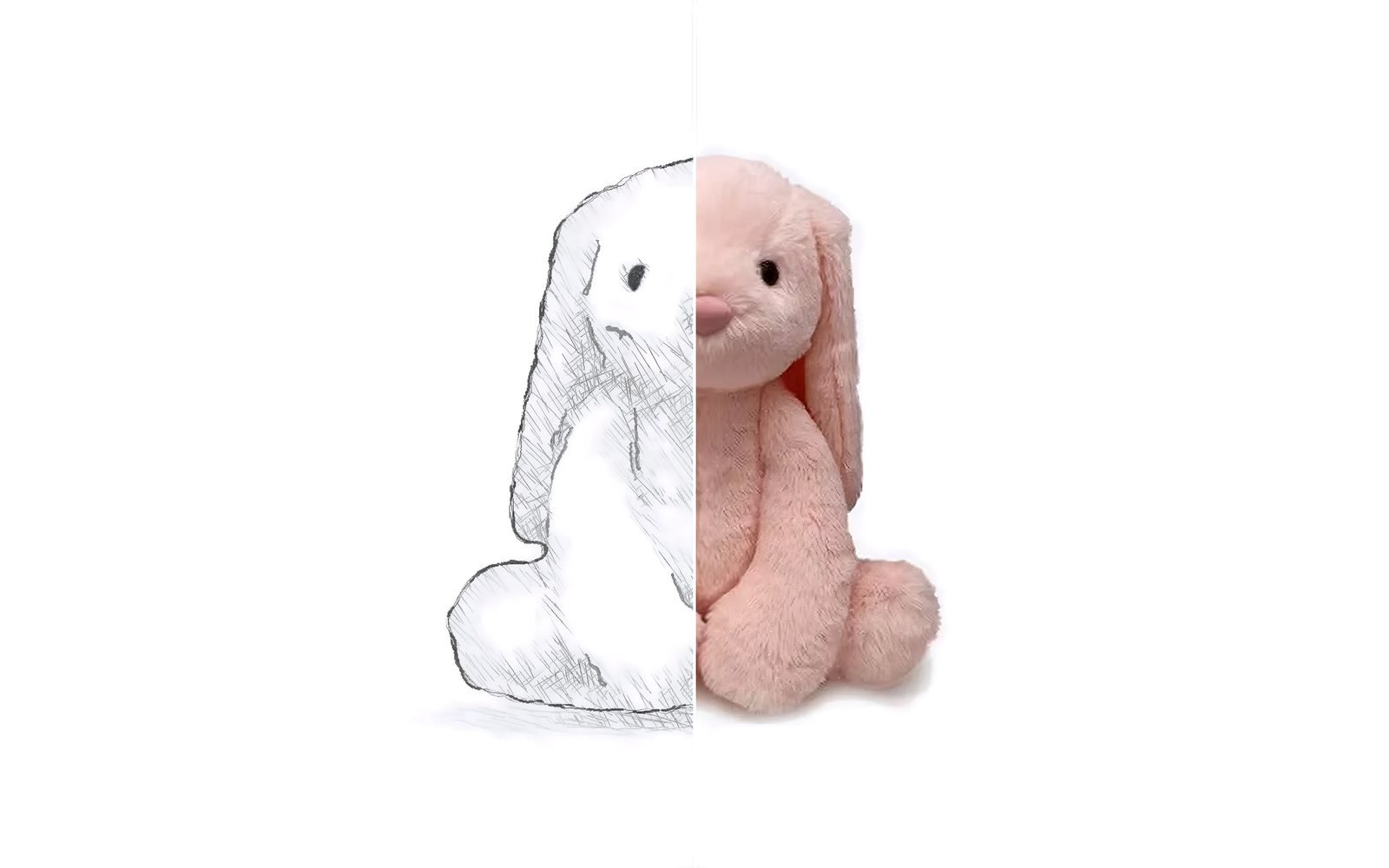
Send a sketch, a reference, or just the idea.
One team takes it from brief to shipment, at factory rates.
 Buyer guideHow to develop a custom product with an India sourcing partnerWhat to send, and when production starts.
 Buyer guideHow product sampling works when sourcing from IndiaWhy buyers approve a physical sample before production.
 Case studyBeyond the pattern: getting the details rightRug references turned into clear specifications, sampled, and checked before dispatch.